Kitchen Renovation Trends for 2026: What Fabricators Need to Know
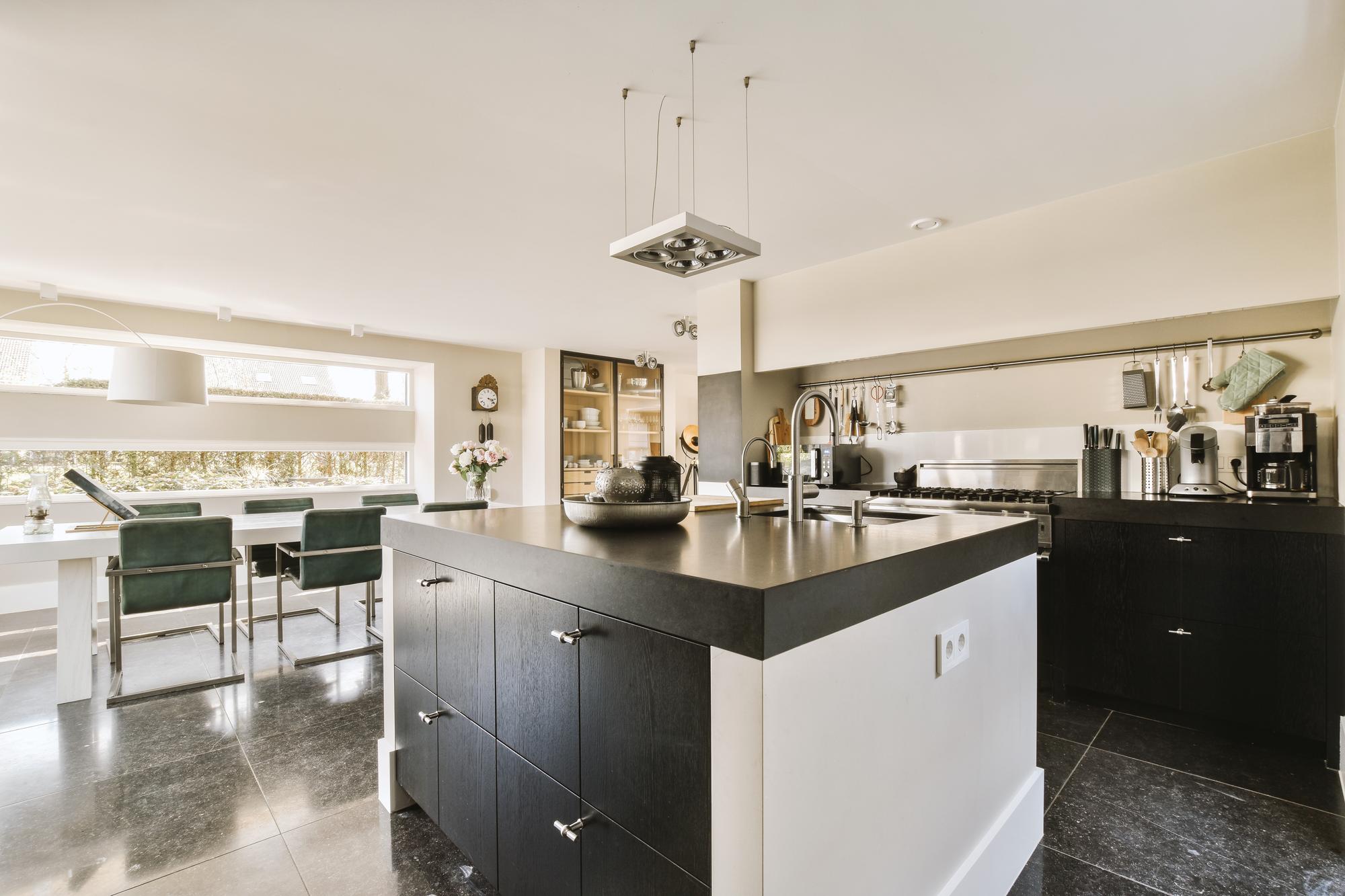
The countertop industry doesn’t stand still — and neither should your shop. Every year brings new materials, new design preferences, and new client expectations that directly impact how fabricators bid, cut, and install. If you’re not paying attention to what homeowners and designers are demanding in 2026, you’re going to be caught flat-footed when the phone rings. Here’s a deep dive into the trends shaping kitchen renovations this year, what they mean for your fabrication business, and how to position yourself to profit from every single one.
Whether you’re a one-man shop or running a team of fifteen, understanding these trends isn’t optional — it’s how you stay booked through the year. And if you’re looking for a platform that helps you manage inventory, pricing, quoting, and scheduling all in one place, Remnant Finder was built specifically for fabricators like you.
Porcelain Slabs Are Surging — And Fabricators Need to Adapt
Porcelain countertops have been gaining ground for the past few years, but 2026 is the year they’ve truly gone mainstream. According to the Freedonia Group, porcelain slab demand in North America has grown by over 18% year-over-year since 2024. Lighter, thinner, and more versatile than traditional stone, porcelain offers homeowners a durable surface that resists UV, heat, and staining — all at a competitive price point.
For fabricators, porcelain requires a different approach. You need specialized blades and tooling to cut large-format slabs without chipping or cracking. The adhesive and support systems differ from granite or quartz installations. If you haven’t already invested in the right equipment and training, now is the time. Shops that can handle porcelain alongside natural stone are winning more bids because they offer designers a one-stop solution.
The business opportunity is clear: porcelain remnants are also becoming valuable. Those offcuts from a 126″ x 63″ slab can easily become bathroom vanities, laundry room counters, or fireplace surrounds. Track every piece in your inventory and list them for sale — you’d be surprised how quickly they move when priced right.
Bold Veining Is Back — And Clients Want the Drama
After several years of minimalist, solid-color quartz dominating the market, the pendulum has swung decisively back toward dramatic veining. Calacatta-inspired patterns, Statuario marble looks, and exotic quartzite slabs with bold movement are the most requested materials in design consultations. The National Kitchen & Bath Association (NKBA) reports that 62% of designers specified dramatic veining patterns in their 2026 projects, up from 41% just two years ago.
This trend directly impacts how you source, store, and sell material. Bold veining means each slab is unique — clients want to see the actual slab they’re getting, not just a sample. This puts a premium on your photography and inventory presentation. Fabricators who photograph their slabs well and make them easy to browse are closing more deals than those relying on supplier catalogs.
For remnant sellers, this is excellent news. A dramatic piece of Calacatta Gold or Blue Bahia quartzite — even a small remnant — attracts attention and commands premium pricing. A 15 sq ft piece of exotic material that would sit unnoticed in a plain-Jane market now gets homeowners excited about accent walls, coffee tables, and powder room vanities.
How to Capitalize on the Veining Trend
Invest time in proper slab photography. Natural lighting, wet the surface to bring out the veining, and capture both full-slab and close-up shots. Use your inventory management tool to tag materials by veining pattern — “dramatic,” “subtle,” “bookmatched” — so you can quickly pull options when a designer calls asking for something specific.
Waterfall Edges Are Everywhere — And They’re Getting More Complex
The waterfall edge — where the countertop material continues vertically down the side of an island or peninsula — has evolved from a luxury feature to a standard expectation in mid-to-high-end kitchens. Houzz’s 2026 Kitchen Trends Report found that 54% of kitchen renovations over $30,000 now include at least one waterfall panel, and the designs are getting more sophisticated. Double waterfall islands, mitered returns with bookmatched veining, and waterfall panels that wrap around seating areas are all increasing in demand.
From a fabrication standpoint, waterfall edges require precise mitering, careful vein-matching across the seam, and expert installation skills. A poorly matched seam on a $15,000 island is a callback waiting to happen. This means your team’s skill level directly translates to whether you can command premium pricing for these installations or lose the bid to a competitor who can.
The material consumption for waterfall projects is significantly higher than standard countertops. A single island with double waterfalls might require an entire slab plus portions of a second. This creates larger, more usable remnants — pieces that are perfect for smaller projects. Smart fabricators track these offcuts and list them immediately while the material is still trending.
Integrated Sinks and Seamless Designs
Integrated sinks — where the basin is fabricated from the same material as the countertop — are gaining traction in 2026, particularly in quartz and solid surface materials. Homeowners love the seamless look and easy-clean profile. According to the NAHB, integrated sink requests have doubled since 2023, driven by the broader shift toward minimalist, easy-to-maintain kitchen designs.
For fabricators, this means more CNC work and potentially new fabrication techniques. If you’re a granite or marble shop that hasn’t ventured into integrated basins, consider partnering with a solid surface fabricator or investing in the routing capabilities to offer this in-house. The margins on integrated sinks are strong — typically 40-60% above a standard undermount installation — and they differentiate your shop from competitors who only offer traditional cutouts.
From a quoting perspective, make sure your pricing tools can handle the complexity of integrated sink options. You need to account for material waste, additional fabrication time, and the higher skill level required. Having a quoting system that lets you build these as line items with accurate pricing means faster turnaround on bids and fewer profit-eating surprises mid-project.
Sustainable Materials and Recycled Content Are No Longer Niche
Sustainability has moved from a selling point to an expectation. The American Society of Interior Designers (ASID) reports that 73% of clients now ask about the environmental impact of their countertop material. Recycled glass surfaces, locally sourced stone, and manufacturers with transparent sustainability practices are winning more specifications from both designers and environmentally conscious homeowners.
Several major quartz manufacturers have launched lines with high recycled content in 2026, and fabricators who stock these options are seeing increased demand. But sustainability isn’t just about the material itself — it’s about reducing waste in your own operation. Every remnant you sell instead of sending to a landfill is a sustainability story you can tell your clients.
This creates a natural synergy between responsible fabrication and profitability. Listing your remnants on a marketplace, optimizing slab layouts to minimize waste, and tracking your waste-to-sales ratio gives you both an environmental and financial edge. Clients — especially those in the design community — actively prefer working with fabricators who demonstrate sustainable practices.
Mixed Materials and Multi-Surface Kitchens
Gone are the days of one material throughout the kitchen. In 2026, designers are specifying different surfaces for different zones: quartzite on the main counters for durability, marble on the island for drama, and butcher block on a prep station for warmth. This mixed-material approach means more complexity per project — and more opportunity for fabricators who can handle it.
From a business perspective, multi-material kitchens increase your average ticket size. A project that might have been $6,000 for a single quartz countertop becomes $12,000-$15,000 when it includes multiple materials, each with different edge profiles, finishes, and installation requirements. The key is having a quoting system that handles this complexity efficiently. If it takes you two hours to manually calculate a multi-material quote, you’re losing money before the project even starts.
Remnant inventory plays directly into this trend. A homeowner who wants a small marble accent alongside their main quartz counters doesn’t need a full slab of marble — they need a remnant. If you have that 12 sq ft piece of Calacatta sitting in your yard, you can offer it at a fraction of full-slab pricing while still making a healthy margin.
How Smart Fabricators Are Preparing for 2026
Trends are only valuable if you act on them. Here’s what the most successful fabrication shops are doing right now to capitalize on these shifts:
- Upgrading their inventory systems — Moving from spreadsheets and memory to digital inventory tracking. Knowing exactly what you have, where it is, and what it’s worth is the foundation of a profitable operation.
- Investing in photography — Every slab and remnant gets professional-quality photos. This alone increases inquiry rates by up to 3x according to marketplace data.
- Streamlining their quoting process — Using digital drawing tools with integrated pricing so they can turn around accurate quotes in minutes instead of hours. The first fabricator to reply usually wins the bid.
- Training on new materials — Porcelain, ultra-compact surfaces, and recycled content materials all have different fabrication requirements. Shops that cross-train their teams are more versatile and more profitable.
- Tracking their numbers — Revenue per material type, average project value, quote-to-close ratio, remnant sell-through rate. You can’t improve what you don’t measure.
Position Your Shop for a Record-Breaking Year
The fabricators who thrive in 2026 won’t just be great at cutting stone — they’ll be great at running a business. That means having systems in place to manage clients, price materials accurately, quote jobs fast, schedule efficiently, and sell every usable piece of material that passes through your shop.
The trends we’ve covered — porcelain growth, bold veining, waterfall complexity, integrated sinks, sustainability demands, and mixed-material kitchens — all point in the same direction: fabrication is getting more complex, and the tools you use need to keep up.
“The shops that are growing fastest aren’t necessarily the ones with the most expensive equipment — they’re the ones with the best systems for managing their entire operation from lead to installation.”
Remnant Finder was built specifically for countertop fabricators who want to modernize their operation without the complexity of cobbling together five different software tools. From inventory management and remnant sales to CRM, quoting, scheduling, and invoicing — it’s everything you need in one platform designed by people who understand the stone industry.
The trends are clear. The opportunity is real. The only question is whether your shop is ready to capture it.